A room without an objective
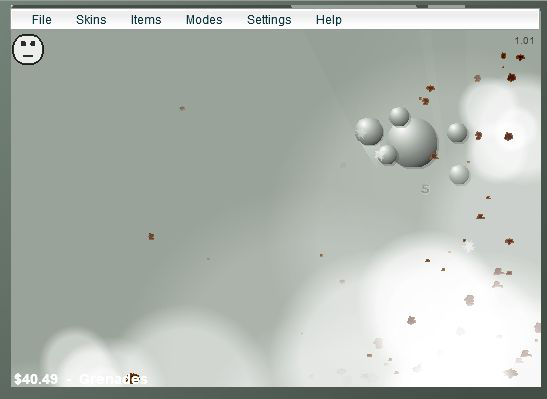
Interactive Buddy offers tools, a responsive character, and very little instruction about what a player should do. That absence is the point. The experience begins as a question about possibility. Click somewhere, choose an item, and see how the figure reacts.
Reaction creates curiosity
The buddy notices the cursor, follows movement, and responds to changes in the room. Even simple reactions make experimentation feel personal. Players are not adjusting abstract variables. They are testing a system that seems to acknowledge their presence.
Comedy with an uncomfortable edge
Much of the game’s humor comes from exaggerated consequences and cartoon resilience. Yet the character’s responsiveness also creates a little discomfort. The player has complete power over a figure that can react but cannot leave. That tension makes the sandbox more memorable than a collection of physics toys.
Money from experimentation
Actions generate currency, and currency unlocks new actions. The loop turns curiosity into progression. A strange experiment can fund an even stranger one, steadily expanding the range of possible scenes without imposing a traditional campaign.
A portrait of early web play
Interactive Buddy reflects an era when browser games could be open ended, rough, and difficult to classify. It is part toy, part comedy routine, and part moral mirror. Its lasting appeal comes from giving players freedom, then letting their own choices define what that freedom means.