Preparing instead of fleeing
An escape game normally asks players to open a sealed room. Don’t Escape asks them to secure one. Night is approaching, danger comes from within, and every overlooked weakness may become a path outward. That single reversal makes familiar objects feel newly important.
The room as evidence
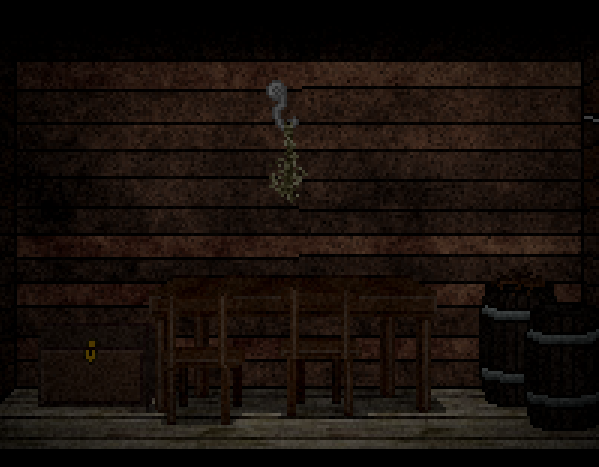
Windows, doors, furniture, and scattered tools are not random puzzle pieces. They describe a practical space with specific vulnerabilities. Players inspect the environment like detectives, imagining what might move, break, or fail once control is lost.
Time gives choices weight
Some actions consume precious hours. The clock prevents endless experimentation and forces priorities. A useful task may still be the wrong task if it leaves no time for something essential. Planning becomes as important as finding the correct objects.
Failure explains the night
The ending reports what happened and why the preparations failed. This transforms defeat into information. A broken barrier or forgotten opening becomes a clear lesson for the next attempt. The player gradually writes a complete plan from the evidence left by earlier mistakes.
Horror built from responsibility
Don’t Escape creates tension without relying on constant pursuit. Fear grows from knowing that the player is responsible for the outcome. The approaching night cannot be defeated through quick reflexes. Survival depends on careful attention while the room is still quiet.